Sasan Gir Tourism Guide
Enter the last wild stronghold of the Asiatic lion with patience and respect.
About Sasan Gir
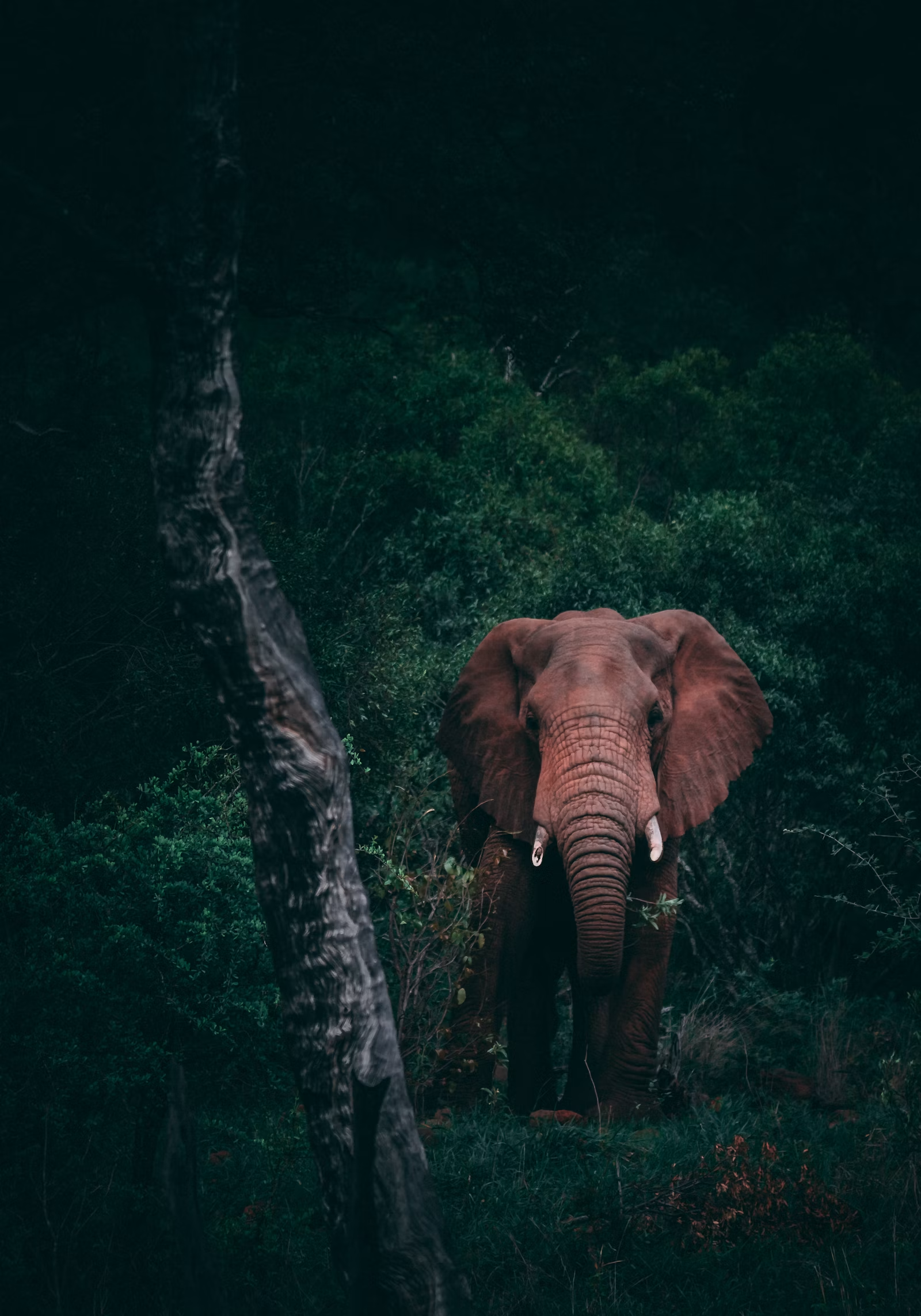
Sasan Gir is the principal visitor gateway to the dry deciduous forests where the world’s only wild population of Asiatic lions survives. A safari here is not a staged lion sighting but an immersion in a complex landscape of teak and acacia woodland, rocky riverbeds, grass clearings and seasonal streams. Leopards, sambar, chital, nilgai, wild boar, marsh crocodiles and abundant birds share the ecosystem. Maldhari pastoral communities have also lived within the wider Gir landscape for generations, giving conservation a human as well as ecological dimension. The most rewarding visitors value tracks, alarm calls, habitat and guide interpretation even when a lion remains hidden.
Safari permits are limited and tied to official reporting times, named visitors and approved vehicles, so book through the authorised portal rather than depending on informal promises. The core tourism zone usually closes during the monsoon; exact dates and rules must be checked for the travel year. Devalia Safari Park can provide a shorter managed interpretation experience and may follow a different schedule, but it is not a substitute for understanding the wider forest. Stay two nights to attempt more than one safari without turning the journey into a race. Sasan Gir combines conveniently with Somnath, Junagadh and Diu. From Dwarka, Deepali Taxi Service can arrange the long transfer, overnight vehicle plan and onward circuit while leaving wildlife permits to official systems. Match the hotel location to your reporting gate and confirm how early breakfast will be available, as dawn departures start before many kitchens open. Neutral clothing, a scarf against dust and a secure camera strap improve open-vehicle comfort. Long lenses are useful, but binoculars often provide a better shared family experience. Afternoon rest is wise between safaris because excitement and heat can be tiring. Most importantly, ignore drivers or touts who promise a guaranteed lion; patience, silence and attention to smaller species produce a more honest and satisfying encounter with Gir.
Sasan Gir photo gallery
History & significance of Sasan Gir
By the late nineteenth century, hunting and habitat pressure had reduced Asiatic lions to a tiny population in and around Gir. The Nawabs of Junagadh introduced protection after recognising the crisis, and conservation continued under independent India. Gir Wildlife Sanctuary was notified in 1965, with a core national park designated later. Long-term protection, prey recovery, community participation and management have enabled lion numbers and range to increase substantially, although concentration in one broad region still creates disease, conflict and climate risks.
Gir is not an untouched wilderness. Maldhari families traditionally grazed livestock in forest settlements called nesses, and local communities continue to interact with lions across a multi-use landscape outside protected cores. Rivers and reservoirs support crocodiles, while patches of forest connect with farms, grazing grounds and coastal habitats. Interpretation should therefore move beyond heroic animal portraits toward the difficult balance among predators, people, livestock and land. Tourism contributes livelihoods but can cause noise, speeding and pressure when poorly managed. Following assigned routes, obeying guides and accepting uncertain sightings are part of the conservation ethic that gives future visitors a genuine wild experience. Lions now range through a wider Saurashtra landscape beyond the park, increasing both resilience and contact with roads and settlements. Rescue teams, trackers and local reporting networks therefore matter alongside protected habitat. Visitors support this work best through regulated tourism, cautious driving and realistic expectations rather than demanding close encounters.
Book a taxi or tour to Sasan Gir
Deepali Taxi Service in Varvala, Devbhumi Dwarka offers private cabs, Innova & Tempo Traveller hire, and customised tour packages for Sasan Gir and nearby destinations.
Major tourist attractions in Sasan Gir
Gir Jungle Safari
Official gypsy safaris follow assigned routes through the tourism zone with a driver and guide. Each outing differs, and quiet observation often reveals more than chasing reports of a lion.
Devalia Safari Park
This enclosed interpretation zone offers scheduled bus or gypsy visits and a greater likelihood of seeing representative fauna. Book through authorised channels and treat it as conservation education, not a zoo show.
Crocodile Breeding Centre Area
The Sasan interpretation area explains efforts related to marsh crocodiles and Gir ecology. Current public access and timings should be confirmed locally.
Kamleshwar Reservoir
The reservoir is an important wetland within the Gir system and supports crocodiles and birds. Whether a safari route reaches a viewpoint depends on assigned zone and current restrictions.
Somnath Excursion
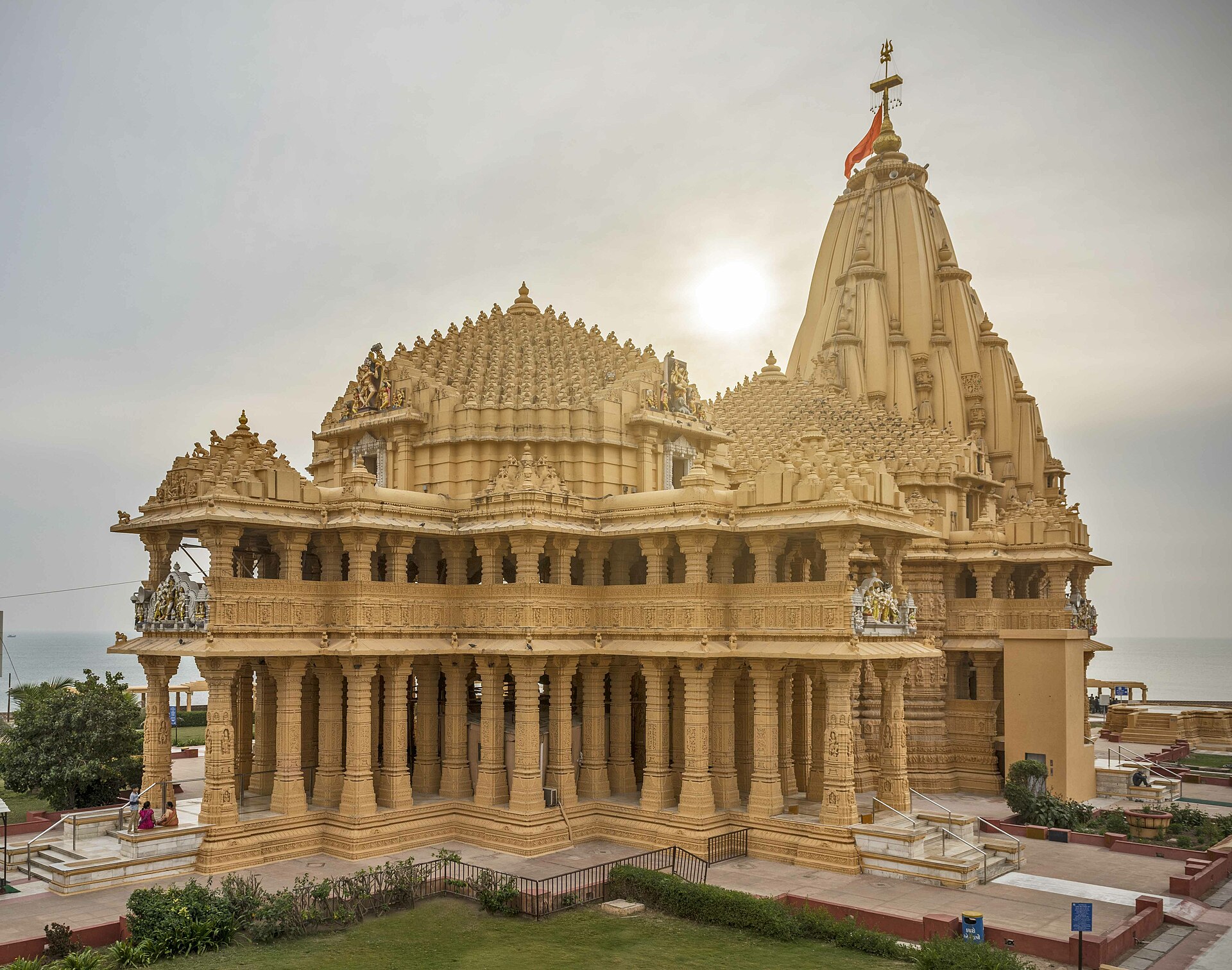
The renowned Jyotirlinga temple is around 70 km away and pairs naturally with a Gir stay. Visit after a morning safari or as the next overnight stop rather than squeezing it between reporting times.
Junagadh Heritage
Uparkot, Girnar and Mahabat Maqbara add architecture and history to a wildlife-focused trip. Junagadh is about 58 km from Sasan and works well as an onward transfer.
Best places to visit in Sasan Gir
- Core Safari RoutesThey offer the most authentic chance to read Gir’s habitat and encounter wildlife under regulated conditions.
- Devalia Interpretation ZoneIt suits shorter visits and families who want an accessible overview of Gir fauna.
- Sasan Village EdgeLocal shops and interpretation facilities provide practical context before entering the forest.
- Kamleshwar LandscapeWater, birds and crocodile habitat broaden the experience beyond big cats.
- Nearby Mango CountrySeasonal orchards show the agricultural landscape famous for Gir kesar mangoes.
Best time to visit Sasan Gir
December to March offers comfortable safaris, while hotter April and May can improve wildlife activity near water but demand heat precautions. Core safari tourism is generally closed during monsoon.
| Season | Weather | Travel note |
|---|---|---|
| Winter (Oct–Mar) | Cool mornings and warm days, about 10–30°C | Most comfortable and popular; book permits early. |
| Summer (Apr–Jun) | Very hot, often 28–43°C | Potentially good sightings near water; carry serious sun protection. |
| Monsoon (Jul–Sep) | Rainy, humid and green | Core safari zone is generally closed; verify Devalia schedule. |
How to reach Sasan Gir
By air
Rajkot is a major flight gateway for the region, followed by road transfer. Diu can be convenient for some itineraries, but flight schedules should be checked before planning.
By rail
Junagadh is the most useful larger railhead, while local rail services may connect closer stations. A confirmed road transfer is sensible when matching a fixed safari reporting time.
By road
Sasan Gir is about 58 km from Junagadh, 70 km from Somnath and roughly 300 km from Dwarka. Roads are straightforward, but night driving should remain slow around wildlife landscapes.
Private taxi with Deepali Taxi Service
Deepali Taxi Service arranges private cabs from Dwarka and links Gir with Somnath, Junagadh or Diu. The taxi booking does not include safari permits; send official reporting details so pickup can be timed correctly.
Nearby attractions & destinations
Local food & cultural highlights
Local food in Sasan Gir
Lodges and local restaurants around Sasan generally serve Gujarati, kathiyawadi and North Indian meals. A comforting post-safari plate might include bajra rotla, ringan olo, sev tameta, khichdi-kadhi, jaggery and chaas. In season, taste genuine Gir kesar mangoes or hygienically prepared mango products from reliable sellers. Early safari guests should request a packed breakfast the previous evening and avoid taking strong-smelling food into vehicles. Refill water bottles where safe, never discard wrappers in the forest and do not feed monkeys, deer or any other animal.
Culture & traditions
Gir’s cultural landscape is inseparable from Maldhari pastoral traditions, village agriculture, forest staff and the broader Saurashtra region. Stories of coexistence with lions are compelling, but visitors should avoid romanticising real costs such as livestock loss or restrictions on resource use. Folk dress, shrines and seasonal fairs appear across surrounding settlements, and hospitality is often warm. Ask before photographing residents, buy local products without intrusive bargaining and never request a driver or guide to break route rules for a closer sighting. Responsible tourism values both people’s dignity and wildlife distance.
Suggested Sasan Gir itineraries
1-Day Sasan Gir Safari Focus
- Official morning jungle safari
- Rest at lodge
- Interpretation centre area
- Evening nature walk outside restricted forest
2-Day Gir Wildlife Experience
- Morning core safari
- Devalia Safari Park
- Village or orchard experience
- Second official safari if booked
3-Day Gir, Somnath and Junagadh
- Two Gir experiences
- Somnath Temple excursion
- Junagadh Uparkot and Mahabat Maqbara
Travel tips for Sasan Gir
- Book only through the official safari system and verify visitor ID requirements.
- Carry the same original identification used for the permit.
- Arrive before reporting time; late guests may lose the safari.
- Wear muted layers because winter gypsy rides begin cold.
- Never ask guides to leave assigned routes or approach wildlife.
- Keep voices low and disable camera flash and sounds.
- Do not expect guaranteed lion sightings.
- Check annual monsoon closure dates before reserving hotels.
Book a taxi or tour to Sasan Gir
Deepali Taxi Service in Varvala, Devbhumi Dwarka offers private cabs, Innova & Tempo Traveller hire, and customised tour packages for Sasan Gir and nearby destinations.
Frequently asked questions about Sasan Gir
Are Asiatic lion sightings guaranteed?
No. Gir is a wild habitat, and ethical operators cannot guarantee any species on a particular safari.
How do I book a Gir safari?
Use the current official Gujarat forest booking channel and enter visitor details exactly as required.
Can Deepali Taxi Service book my safari permit?
The service can plan road transport around your confirmed permit, but travellers should secure wildlife entry through official channels.
How many nights should I stay in Sasan Gir?
Two nights allow more than one wildlife outing and reduce the risk of a rushed arrival before reporting.
Can Gir and Somnath be visited together?
Yes. They are about 70 km apart and form one of Saurashtra’s most practical wildlife-and-pilgrimage combinations.
Is Gir open in the monsoon?
The core safari zone is generally closed during monsoon. Check exact annual dates and separate Devalia operations officially.
Taxi services & popular routes
Travelling from Dwarka or across Gujarat? Deepali Taxi Service provides local sightseeing cabs, outstation taxi, airport transfers, and Tempo Traveller hire for Sasan Gir trips.