
Diu Tourism Guide
Slow down among sea forts, limestone caves and breezy island beaches.
About Diu
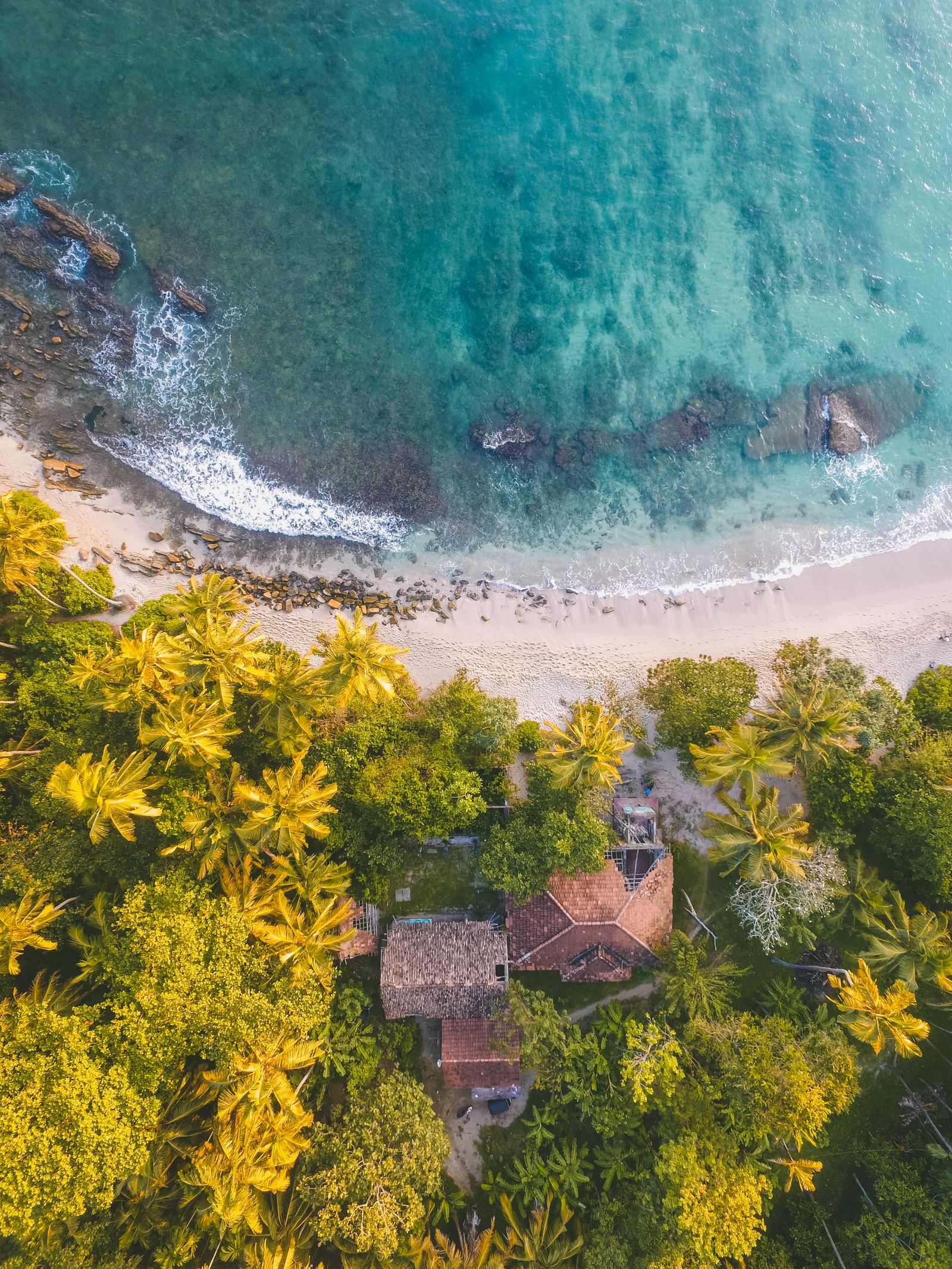
Diu is a compact coastal destination where formidable stone walls, whitewashed churches, fishing neighbourhoods and sandy coves sit within short driving distance. The massive Diu Fort projects into the Arabian Sea and remains the island’s defining landmark; cannon positions and lighthouse views evoke a strategic port contested across centuries. Nearby, St Paul’s Church preserves an ornate Baroque interior, while the roofless shell of St Thomas Church houses a museum. Naida Caves turn quarried rock into a photogenic maze of openings and shafts of sunlight. Beach time ranges from popular Nagoa to the quieter mood of Ghoghla, Jallandhar and Chakratirth.
Diu’s appeal lies in a relaxed two- or three-day rhythm rather than a checklist. Explore the fort early, pause through the warm afternoon, then return outdoors for sunset. Swimming conditions vary, so use supervised zones and obey flags rather than assuming every attractive cove is safe. The union territory has a history and administration distinct from neighbouring Gujarat, though road access from Somnath and Sasan Gir is easy. It fits naturally after a temple or wildlife circuit, and the coastal approach gives a refreshing change of pace. Deepali Taxi Service can arrange travel from Dwarka, Somnath or Gir, retain the cab for local sightseeing and coordinate an onward return without the restrictions of infrequent connections. Stay near the beach for leisure or closer to Diu town for easier heritage walks, and ask about parking before choosing a narrow-lane property. Fort surfaces and cave floors can be uneven, so sandals without grip are a poor choice. Keep a dry change of clothes in the vehicle if combining swimming with churches, where respectful dress is expected. Seafood diners should plan dinner after sunset rather than losing the cooler sightseeing hours. Because the island is small, returning to a favourite viewpoint is easy and often more rewarding than adding every minor attraction.
Diu photo gallery
History & significance of Diu
Diu occupied a valuable position on maritime routes linking Gujarat’s ports with the Arabian Sea. In 1535, the Portuguese secured the right to construct a fort through an alliance with Sultan Bahadur Shah of Gujarat during conflict with the Mughals. The relationship soon changed, and a major siege in 1546 failed to dislodge the Portuguese. The rebuilt fort, harbour defences and offshore Panikotha structure made Diu one of the strongest positions in the Portuguese Estado da Índia. Churches, civic buildings and street patterns developed around the garrison and trading settlement.
Portuguese control endured for more than four centuries, leaving in 1961 when Indian forces incorporated Diu along with Goa and Daman into India. Diu later formed part of the union territory of Daman and Diu and, since 2020, belongs to the merged union territory of Dadra and Nagar Haveli and Daman and Diu. Today the island’s built heritage exists alongside Gujarati language, fishing traditions and modern beach tourism. The fort and churches should be read as evidence of trade, conflict, faith and colonial power, while local neighbourhoods show how communities adapted these layers into a distinctive coastal culture. Quarries used for fort construction contributed to the striking spaces now called Naida Caves. Religious buildings underwent repair and changing use across generations, so their present appearance also reflects conservation choices. Harbour views make the relationship among fortress, shipping channel and mainland immediately understandable.
Book a taxi or tour to Diu
Deepali Taxi Service in Varvala, Devbhumi Dwarka offers private cabs, Innova & Tempo Traveller hire, and customised tour packages for Diu and nearby destinations.
Major tourist attractions in Diu
Diu Fort
Ramparts, cannons, chapels and sea-facing bastions fill this vast sixteenth-century fort. Visit early for cooler weather and allow at least two hours to explore safely.
Naida Caves
Quarrying created a labyrinth of warm-coloured rock, natural skylights and narrow passages. Wear sturdy shoes and avoid isolated sections after dark.
St Paul’s Church
The functioning church is admired for its elaborate white facade and richly carved interior. Dress respectfully, keep voices low and avoid interrupting services.
Nagoa Beach
Diu’s best-known recreational beach offers a broad crescent, food stalls and organised activities. Check operator credentials and sea-safety flags before participating.
Ghoghla Beach
A long sandy beach on the mainland side often feels more spacious than Nagoa. It is well suited to morning walks and a quieter sunset.
Panikotha
The offshore sea fort creates one of Diu’s iconic views from the main fortress and jetty. Boat access, when available, depends on current local operations and conditions.
Best places to visit in Diu
- Fort RampartsThey combine military architecture, harbour views and constant sea breeze.
- Naida Cave Light ShaftsLate-morning light creates dramatic patterns through the quarried stone openings.
- Ghoghla BeachIts long shoreline offers room for peaceful walking away from denser tourist areas.
- Fudam WaterfrontChurches and fishing activity reveal Diu’s lived coastal character.
- Chakratirth Sunset PointThe rocky coast provides an intimate evening alternative to the main beaches.
Best time to visit Diu
October to March is comfortable for fort walks and beaches, with pleasant evenings and lower humidity. Summer is hot, while monsoon seas can limit swimming and boating.
| Season | Weather | Travel note |
|---|---|---|
| Winter (Oct–Mar) | Pleasant and breezy, about 18–30°C | Best for heritage walks, beaches and outdoor dining. |
| Summer (Apr–Jun) | Hot and humid, around 27–38°C | Sightsee early and reserve afternoons for rest. |
| Monsoon (Jul–Sep) | Humid with showers and rough seas | Enjoy greenery but obey all water-safety closures. |
How to reach Diu
By air
Diu Airport is close to the island, but routes and frequency can change. Check schedules before building a fixed itinerary; Rajkot provides a more distant alternative.
By rail
Diu has no railway station. Veraval is a useful railhead from the Somnath side, followed by a road journey of roughly two hours.
By road
Bridges connect Diu with the mainland, and roads link it to Somnath, Sasan Gir and Junagadh. From Dwarka the drive is long and is best treated as a planned transfer with breaks.
Private taxi with Deepali Taxi Service
Deepali Taxi Service can build a Dwarka–Somnath–Diu or Dwarka–Gir–Diu private tour. Confirm overnight halts, local sightseeing hours and one-way or return requirements when requesting a quote.
Nearby attractions & destinations
Local food & cultural highlights
Local food in Diu
Diu’s tables reflect its fishing coast, Gujarati neighbours and Portuguese legacy. Seafood eaters can look for locally available fish, prawns or crab prepared fried, curried or grilled, always asking about catch freshness and price before ordering. Vegetarian restaurants serve Gujarati thalis, kathiyawadi dishes and familiar Indian meals. Coconut, lime and mild coastal flavours appear in selected kitchens, while cafes near beaches offer simple snacks. Drink responsibly where legally permitted, never drive after alcohol, choose busy hygienic establishments and keep glass and disposable waste away from sand.
Culture & traditions
Gujarati is widely spoken, but Diu’s churches, surnames, architecture and certain culinary practices preserve traces of a long Portuguese period. Fishing boats and coastal shrines remain part of daily life beyond resort zones. Festival calendars include Hindu celebrations, Christmas observances and local civic events, producing a genuinely layered identity. Wear suitable clothing in churches, seek consent before photographing fishing work, and remember that heritage structures are not climbing frames. A slower walk through old streets, rather than only beach hopping, offers the clearest sense of Diu’s character.
Suggested Diu itineraries
1-Day Diu Highlights
- Diu Fort
- St Paul’s Church
- Naida Caves
- Nagoa Beach
- Chakratirth sunset
2-Day Diu Coast and Heritage
- Day 1 landmarks
- Ghoghla Beach morning
- Fudam churches
- Panikotha viewpoint
- Old Diu walk
3-Day Diu Relaxed Escape
- Complete heritage circuit
- Leisure beach morning
- Fishing village viewpoints
- Somnath or Gir onward excursion
Travel tips for Diu
- Wear shoes with grip on fort stairs and cave passages.
- Swim only in designated areas and follow lifeguard flags.
- Avoid touching fragile church interiors or carving names on stone.
- Confirm boating and water-sport credentials before paying.
- Carry sun protection and drinking water on fort visits.
- Check alcohol transport laws before crossing into Gujarat.
- Plan fuel and comfort breaks on the long drive from Dwarka.
Book a taxi or tour to Diu
Deepali Taxi Service in Varvala, Devbhumi Dwarka offers private cabs, Innova & Tempo Traveller hire, and customised tour packages for Diu and nearby destinations.
Frequently asked questions about Diu
How many days are enough for Diu?
Two days cover major heritage and beaches; three days provide the relaxed pace that suits Diu best.
How far is Diu from Somnath?
The road journey is roughly 85 km and usually takes around two hours depending on traffic.
Can Deepali Taxi Service arrange a Diu trip from Dwarka?
Yes. Because it is a long route, a multi-day circuit through Somnath or Gir is usually more comfortable than a same-day return.
Is Diu part of Gujarat?
No. Diu is part of the union territory of Dadra and Nagar Haveli and Daman and Diu, though it is road-linked with Gujarat.
Are Diu beaches safe for swimming?
Conditions differ by beach, tide and season. Enter only designated zones and follow current lifeguard warnings.
Can Diu and Gir be combined?
Yes. The roughly 95 km connection makes a wildlife-and-coast itinerary practical with a private taxi.
Taxi services & popular routes
Travelling from Dwarka or across Gujarat? Deepali Taxi Service provides local sightseeing cabs, outstation taxi, airport transfers, and Tempo Traveller hire for Diu trips.