Jamnagar Tourism Guide
Meet a royal Saurashtra city where lakes, bandhani and marine life converge.
About Jamnagar
Jamnagar rewards travellers who look beyond its role as a transit point between Dwarka and Rajkot. The old princely capital is arranged around lively bazaars, ornate gateways and the waters of Ranmal Lake, commonly called Lakhota Lake. At its centre, Lakhota Palace creates the city’s signature view, while the nearby Bala Hanuman Temple is known for an enduring tradition of devotional chanting. In market streets, artisans and merchants sell brilliant bandhani textiles, brassware and local snacks. Royal-era buildings such as Pratap Vilas Palace and the historic Darbargadh area add an architectural layer, although access to individual properties can vary.
The district’s greatest surprise lies outside the urban core. Marine National Park in the Gulf of Kutch protects reefs, mangroves, tidal flats and remarkable intertidal life; visits require close attention to tide windows, permissions and approved local arrangements. Khijadiya Bird Sanctuary offers a different wetland habitat where freshwater and saltwater systems attract resident and migratory birds. This combination makes Jamnagar suitable for families, photographers, birders and heritage enthusiasts. From Dwarka, the drive generally takes about three hours, making either a one-way transfer with sightseeing or an overnight visit practical. Deepali Taxi Service can provide a private vehicle, schedule an early departure for birding or tide-dependent excursions, and continue onward to Rajkot or Ahmedabad. Nature visits should not be improvised after city sightseeing because both birds and intertidal life are best seen at specific hours. Reserve the lake and old market for late afternoon, when heat eases and the city becomes sociable. Carry binoculars rather than approaching wildlife, and use a guide who understands marine safety instead of walking onto unfamiliar tidal flats. Textile shoppers should ask sellers to explain fabric, tie density, dye and care, which makes a bandhani purchase more meaningful. An overnight stay also gives families time for a proper local meal and avoids combining a dark highway return with an already long excursion.
Jamnagar photo gallery
History & significance of Jamnagar
Jamnagar was founded in the sixteenth century by Jam Rawal and was historically known as Nawanagar. As the capital of a Jadeja Rajput state, it developed a network of fortifications, royal residences, temples, water structures and commercial streets. Its position near the Gulf of Kutch linked the courtly city to ports and trading communities, while skilled craftspeople made it a centre for bandhani tie-dye, metalwork and distinctive architectural ornament. Earthquakes, urban growth and changing uses have altered many buildings, yet the historic street pattern and surviving facades still communicate the city’s princely character.
Nawanagar gained international recognition through Jam Ranjitsinhji, the celebrated cricketer after whom India’s Ranji Trophy is named, and through later rulers involved in public works and diplomacy. The region eventually joined the Indian Union and became part of Gujarat. Modern Jamnagar expanded dramatically with major industries, but its royal, religious and ecological identities remain visible. Lakhota Palace, Bhujiyo Kotho, the Darbargadh area and museum collections introduce the political story; Bala Hanuman represents living devotion; and protected coastal habitats demonstrate why the Gulf shaped settlement and livelihood. A thoughtful visit balances all three rather than viewing Jamnagar only through its industrial reputation. Ranjitsinhji’s patronage and public image linked sport, princely identity and imperial networks in complex ways. Later Jam Saheb Digvijaysinhji is remembered for sheltering Polish children during the Second World War. These stories broaden the city’s history beyond architecture and explain why local memory reaches far outside Saurashtra.
Book a taxi or tour to Jamnagar
Deepali Taxi Service in Varvala, Devbhumi Dwarka offers private cabs, Innova & Tempo Traveller hire, and customised tour packages for Jamnagar and nearby destinations.
Major tourist attractions in Jamnagar
Lakhota Lake and Palace
A causeway leads to the island palace, now associated with a museum collection. Walk the lakeside near sunrise or evening when local life, birds and the skyline are most engaging.
Bala Hanuman Temple
The temple beside the lake is famous for continuous chanting of the Ram dhun begun in 1964. Visitors are welcome to listen respectfully without obstructing worshippers.
Marine National Park
India’s first marine national park protects reefs, mangroves and intertidal creatures in the Gulf of Kutch. Access is tide-sensitive and may require permits, boats or authorised guidance, so never arrive without current planning.
Khijadiya Bird Sanctuary
Freshwater lakes, salt marsh and scrub support diverse birdlife within a compact area. Winter mornings offer the best combination of cooler weather, activity and softer photography light.
Darbargadh and Old City
The historic royal enclosure and surrounding markets contain carved balconies, gateways and layers of urban history. Some structures are viewed mainly from outside, but a guided walk adds context.
Pratap Vilas Palace
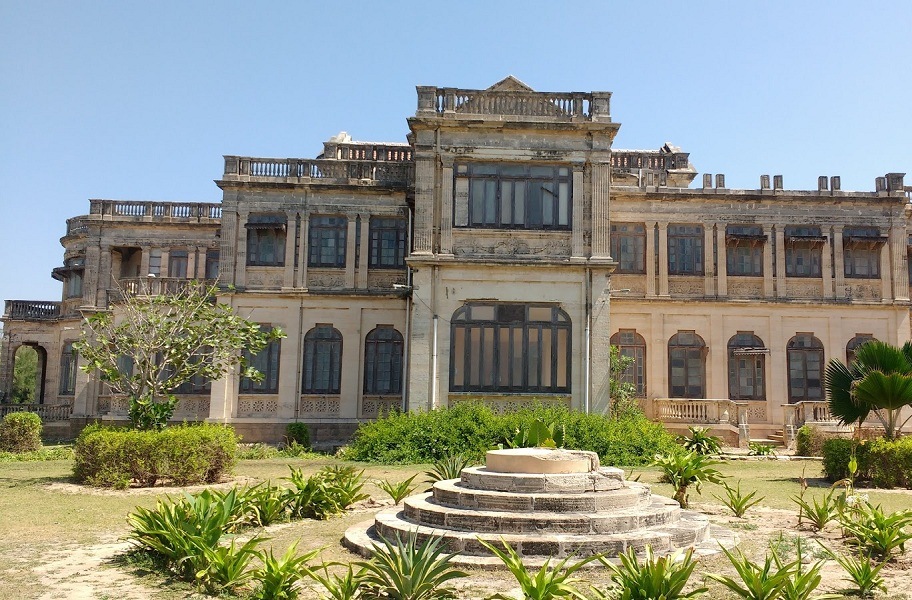
This striking palace blends European-inspired elements with Indian carving. Public access can change, so confirm locally and respect restricted areas.
Local sightseeing in & around Jamnagar
Popular local sightseeing stops that pairs well with a private taxi circuit from Dwarka and Porbandar. Deepali Taxi Service can sequence these visits with temple timings, meal breaks and hotel pickups.
Lakhota Lake & Palace Circuit
Classic Jamnagar local sightseeing: lake walk, palace views and nearby temple lanes.
Bala Hanuman Temple
Listen to the continuous Ram dhun; a short, meaningful stop on any city taxi tour.
Bandhani Markets
Textile shopping with time to compare craftsmanship and colours.
Khijadiya Bird Sanctuary
Winter morning outing for birders; pair with an early Dwarka departure or overnight stay.
Marine National Park Zone
Tide-dependent guided visit—book access and timing before fixing the taxi schedule.
Darbargadh Heritage Walk
Gateways and royal-era streetscapes for architecture lovers.
Best places to visit in Jamnagar
- Lakhota Lake PromenadeIt is the easiest place to enjoy city architecture, birds and evening atmosphere together.
- Bandhani MarketShop for authentic tie-dye while learning how patterns and quality differ.
- Khijadiya WetlandsThe habitat diversity gives even casual visitors an excellent introduction to birdwatching.
- Narara or Approved Marine ZoneA properly timed guided visit reveals coral, crabs and tidal ecology without unsafe wandering.
- Old City GatewaysThey preserve visual traces of Nawanagar amid the modern commercial city.
Best time to visit Jamnagar
October to March brings pleasant urban sightseeing and peak migratory-bird activity. Marine excursions depend more on safe tides and official access than on season alone.
| Season | Weather | Travel note |
|---|---|---|
| Winter (Oct–Mar) | Cool to warm, about 13–29°C | Prime season for birds, markets and heritage walks. |
| Summer (Apr–Jun) | Very hot, commonly 27–40°C | Keep outdoor visits to early morning and evening. |
| Monsoon (Jul–Sep) | Humid with irregular heavy showers | Wetlands are lush; verify marine and road access. |
How to reach Jamnagar
By air
Jamnagar has an airport with scheduled services that can vary by season. Rajkot is a useful alternative, and advance taxi pickup avoids negotiating after arrival.
By rail
Jamnagar station lies on the Ahmedabad–Okha rail corridor and has links toward Rajkot, Ahmedabad, Dwarka and major interstate cities. Local cabs connect the station with hotels and attractions.
By road
The city is about 130 km from Dwarka and roughly 90 km from Rajkot, with good highway access. Private road travel makes it easy to include Khijadiya or other outlying sites.
Private taxi with Deepali Taxi Service
Book Deepali Taxi Service from Dwarka for a direct Jamnagar transfer, lake-and-market tour or onward airport connection. For birding and marine visits, communicate reporting time and permit arrangements before confirming pickup.
Nearby attractions & destinations
Local food & cultural highlights
Local food in Jamnagar
Jamnagar is celebrated for bold snacks and convivial street-food stops. Try ganthiya with papaya sambharo, kachori, bhajiya and other farsan from a busy, reputable shop; sweet lovers can seek local dry-fruit preparations and seasonal favourites. Gujarati and kathiyawadi thalis are widely available, with rotli or rotla, dal, kadhi, vegetables, rice and chaas. The city’s famous mukhwas tradition makes edible souvenirs, but check ingredients and sealed packaging. For wildlife mornings, carry a simple packed breakfast and refillable water rather than leaving litter near wetlands.
Culture & traditions
Jamnagar’s culture blends Jadeja royal heritage, mercantile neighbourhoods, temple traditions and skilled craft. Bandhani remains its best-known visual language: tiny tied points produce complex dots, waves and auspicious motifs after dyeing. Navratri garba, Janmashtami and other festivals bring public spaces alive, while Bala Hanuman’s Ram dhun provides a daily devotional continuity. In markets, request permission before photographing artisans, compare workmanship patiently and avoid presenting restricted palaces as public attractions. Coastal villages and bird habitats deserve the same respect as monuments; quiet observation and local guidance lead to better encounters.
Suggested Jamnagar itineraries
1-Day Jamnagar Highlights
- Lakhota Lake walk
- Lakhota Palace area
- Bala Hanuman Temple
- Old city and Darbargadh
- Bandhani shopping
2-Day Jamnagar Nature and Heritage
- Day 1 city sights
- Early Khijadiya Bird Sanctuary
- Pratap Vilas exterior
- Evening local food trail
3-Day Jamnagar Gulf Discovery
- Heritage circuit
- Khijadiya birding
- Permit-based Marine National Park excursion
Travel tips for Jamnagar
- Check tide charts and permissions through an authorised source for marine visits.
- Wear closed, washable footwear for approved intertidal walks.
- Carry binoculars and remain quiet at Khijadiya.
- Confirm public access before travelling to a palace.
- Buy bandhani from reliable sellers and ask about fabric and dye care.
- Avoid touching coral or collecting shells and marine life.
- Pre-book early-morning taxis for birding departures.
Book a taxi or tour to Jamnagar
Deepali Taxi Service in Varvala, Devbhumi Dwarka offers private cabs, Innova & Tempo Traveller hire, and customised tour packages for Jamnagar and nearby destinations.
Frequently asked questions about Jamnagar
Is Jamnagar worth visiting from Dwarka?
Yes. It offers royal heritage, renowned crafts and exceptional wetlands that contrast strongly with Dwarka’s pilgrimage focus.
How long is the Dwarka to Jamnagar drive?
The roughly 130 km journey usually takes about three hours, depending on traffic, pickup point and stops.
Can Deepali Taxi Service provide a one-way Jamnagar taxi?
Yes. One-way transfers, return trips and onward travel to Rajkot can be arranged in advance.
Do I need permission for Marine National Park?
Access rules vary by zone and activity. Confirm current permits, tide window and approved guide or boat arrangements before departure.
What should birdwatchers visit?
Khijadiya Bird Sanctuary is the primary destination, particularly during cool winter mornings.
Can Jamnagar be covered in one day?
A day suits central sights and markets; nature excursions require another day because their ideal timing is specific.
Taxi services & popular routes
Travelling from Dwarka or across Gujarat? Deepali Taxi Service provides local sightseeing cabs, outstation taxi, airport transfers, and Tempo Traveller hire for Jamnagar trips.