Ahmedabad Tourism Guide
Read Gujarat’s largest city through pol lanes, riverfront stories and carved stone.
About Ahmedabad
Ahmedabad is a layered metropolis where a UNESCO-listed historic city, major modern institutions and living commercial neighbourhoods occupy the same urban landscape. In the old city, carved wooden havelis, bird-feeding towers, mosques, Jain temples and tightly organised pols reward a guided morning walk. Sabarmati Ashram shifts the mood toward the disciplined life and political thought of Mohandas Gandhi. Across the wider city, the Calico Museum, Sidi Saiyyed Mosque, Hutheesing Jain Temple and contemporary architecture demonstrate Ahmedabad’s importance to craft, design and industry. The Sabarmati Riverfront offers public space and orientation, though it should complement rather than replace engagement with the historic fabric.
At least two days are needed for a useful first visit. Reserve museums where advance permission is required, begin the old city before traffic and heat build, and allocate a half-day for Adalaj Stepwell north of town. Food is a major attraction, from a balanced Gujarati thali to night snacks around Manek Chowk, but hygiene and late-hour transport deserve attention. Ahmedabad is roughly 440–450 km from Dwarka, so a private road transfer takes most of a day and should include comfort breaks. Deepali Taxi Service can arrange the intercity cab, an airport or railway drop and a multi-city route through Rajkot or Jamnagar, with vehicle choice based on passengers and luggage. Choose accommodation near the areas you value because crossing the metropolitan region can consume surprising time. Old-city lanes require walking shoes and a compact bag, while museums reward advance reading and slower attention. Architecture enthusiasts may add carefully selected modern buildings only where visitor access is currently permitted. During Uttarayan, watch kite flying from a safe authorised rooftop and remain alert to sharp thread on streets. In any season, alternating dense neighbourhoods with the ashram or riverfront prevents sensory fatigue and produces a more coherent understanding of the city.
Ahmedabad photo gallery
History & significance of Ahmedabad
Sultan Ahmad Shah founded Ahmedabad in 1411 on the Sabarmati, developing a fortified capital of the Gujarat Sultanate. Mosques such as the Jama Masjid and later Sidi Saiyyed Mosque fused regional stone-carving traditions with Islamic forms, while gates, markets and residential pols shaped a dense urban culture. Mughal rule was followed by Maratha control and then British administration. Textile mills transformed the city into the “Manchester of India,” drawing workers and merchant capital while extending settlement beyond the walls.
Ahmedabad became central to India’s freedom movement after Gandhi established the Sabarmati Ashram in 1917. From here he launched the 1930 Salt March to Dandi. After independence the city expanded as an industrial, educational and design centre; institutions and works associated with figures such as Le Corbusier, Louis Kahn, B. V. Doshi and Charles Correa gave it global architectural relevance. In 2017 the Historic City of Ahmedabad became India’s first UNESCO World Heritage City. Its heritage survives not as a frozen district but amid active homes, workshops, worship and markets, making resident-sensitive exploration essential. Mill closures later transformed labour neighbourhoods and left an important industrial legacy alongside celebrated elite architecture. Stepwells and water systems also recall the environmental intelligence needed in a semi-arid region. Together these histories complicate any simple division between an old eastern city and a modern western one.
Book a taxi or tour to Ahmedabad
Deepali Taxi Service in Varvala, Devbhumi Dwarka offers private cabs, Innova & Tempo Traveller hire, and customised tour packages for Ahmedabad and nearby destinations.
Major tourist attractions in Ahmedabad
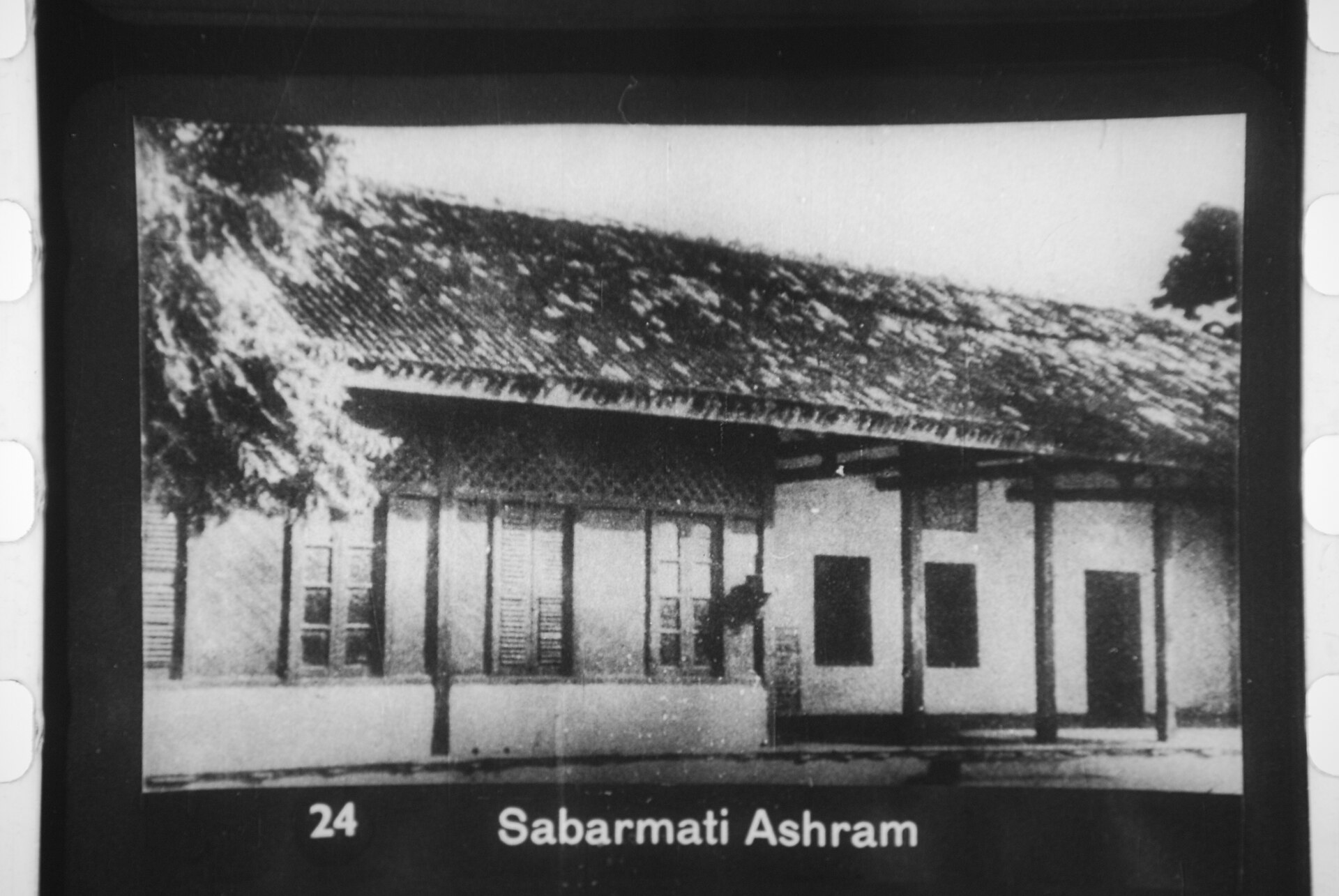
Sabarmati Ashram
Hriday Kunj, museum galleries and quiet grounds introduce Gandhi’s daily life and political work. Read the exhibits slowly and maintain the reflective atmosphere.
Historic City Heritage Walk
A guided route through pols reveals carved houses, hidden shrines, community spaces and urban adaptation. Early morning is coolest and least disruptive to residents.
Sidi Saiyyed Mosque
The mosque is famous for exquisite stone lattice windows depicting intertwined trees. It remains an active religious site, so visit outside prayer congestion and dress respectfully.
Adalaj Stepwell
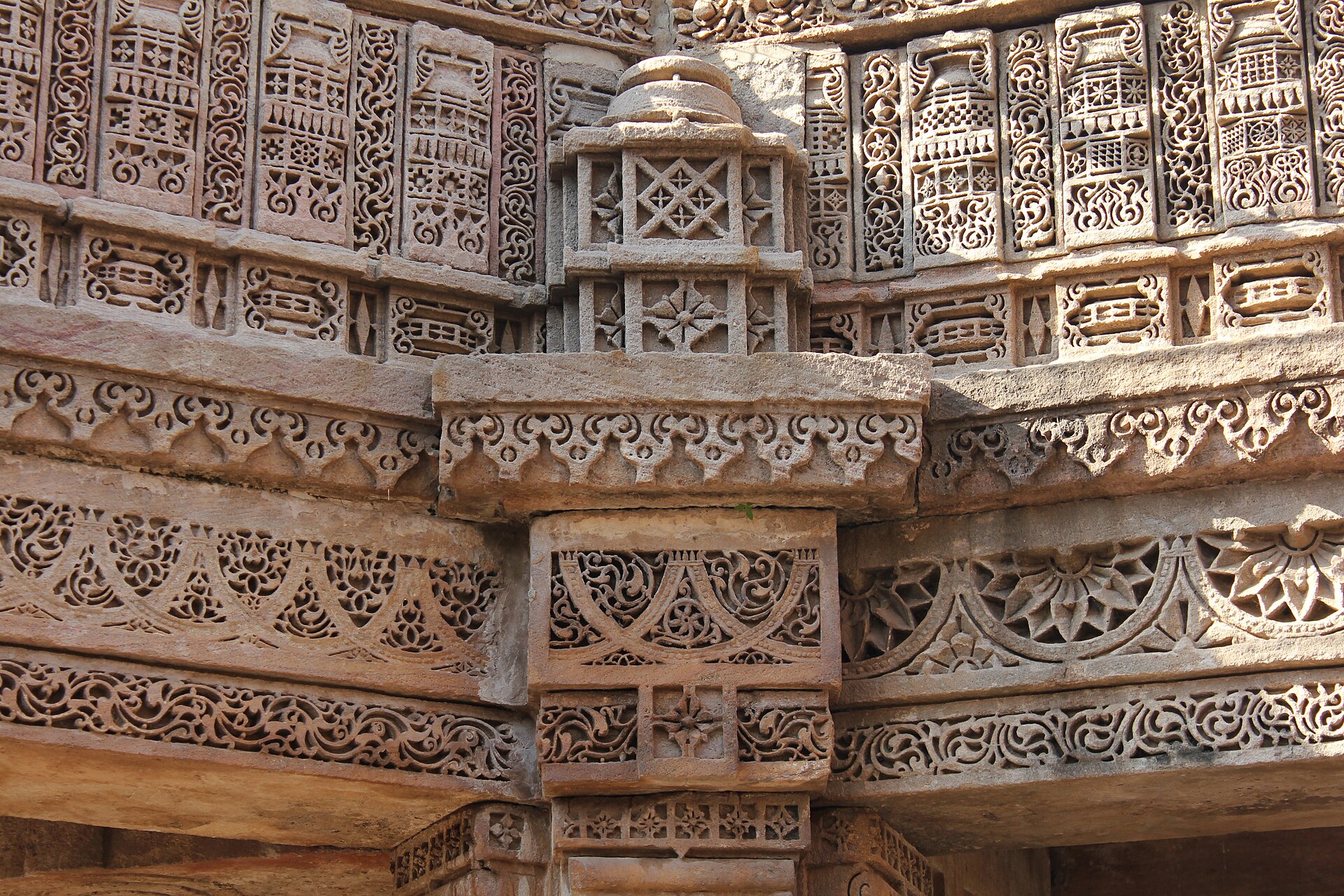
This five-storey stepwell combines practical water architecture with richly carved galleries. Light changes through the day, but mornings are more comfortable and less crowded.
Calico Museum of Textiles
An exceptional collection presents Indian weaving, dyeing, embroidery and sacred textiles. Entry arrangements are controlled and often require advance reservation through official channels.
Hutheesing Jain Temple
Fine marble carving and a serene courtyard make this nineteenth-century temple a major architectural stop. Follow instructions concerning leather items, photography and worship areas.
Manek Chowk
The historic square changes function through the day and becomes a popular night-food area. Go with a local plan, choose high-turnover stalls and keep valuables secure.
Best places to visit in Ahmedabad
- Old City PolsTheir houses and community design explain why Ahmedabad’s heritage status extends beyond isolated monuments.
- Sabarmati AshramThe restrained setting connects national history to Gandhi’s everyday discipline and experiments.
- Adalaj StepwellIts cool descending spaces unite engineering, sculpture and social history.
- Sidi Saiyyed JaliThe celebrated lattice is a concise masterpiece of Gujarat stone craftsmanship.
- Riverfront at SunsetIt offers open views and a breathing space after the dense old city.
- Manek Chowk Food MarketThe late-evening transformation showcases Ahmedabad’s sociable appetite, best approached selectively.
Best time to visit Ahmedabad
November to February offers cool mornings for heritage walks and comfortable evenings. Uttarayan in January is spectacular, but rooftops, traffic and accommodation require advance planning.
| Season | Weather | Travel note |
|---|---|---|
| Winter (Oct–Mar) | Cool to warm, roughly 12–31°C | Best for old-city walks, museums and stepwells. |
| Summer (Apr–Jun) | Extremely hot, often 30–44°C | Limit outdoor activity and hydrate carefully. |
| Monsoon (Jul–Sep) | Humid with moderate to heavy showers | Allow traffic delays and protect electronics. |
How to reach Ahmedabad
By air
Sardar Vallabhbhai Patel International Airport serves extensive domestic routes and selected international destinations. City travel time varies greatly with traffic and hotel location.
By rail
Ahmedabad Junction at Kalupur is the principal station, with broad nationwide connectivity. Construction and traffic patterns around the station can change pickup points, so coordinate by phone.
By road
Expressways and highways connect Ahmedabad with Rajkot, Vadodara, Udaipur and Saurashtra. Dwarka is approximately 440–450 km away and generally requires eight to nine hours with sensible breaks.
Private taxi with Deepali Taxi Service
Deepali Taxi Service offers pre-booked Dwarka–Ahmedabad one-way and return travel, including airport or station drop. Share departure time and flight buffer; the long route should never be scheduled too tightly.
Nearby attractions & destinations
Local food & cultural highlights
Local food in Ahmedabad
Ahmedabad is one of India’s great vegetarian food cities. Begin with a Gujarati thali balancing sweet, sour and savoury dishes, then sample khaman, patra, dalwada, fafda-jalebi or handvo from reputable kitchens. Manek Chowk is famous for inventive late-night snacks, though richness often matters more than subtlety; share portions and choose stalls with strong turnover. Old-city breakfast and modern cafes provide quieter alternatives. Carry safe water, communicate allergies clearly and remember that many dishes may contain dairy, peanuts, sesame or gram flour.
Culture & traditions
Ahmedabad’s culture has been shaped by Jain and Hindu merchant communities, Islamic courtly heritage, textile labour, Gandhian politics and contemporary design education. Navratri garba fills large venues, Uttarayan covers the sky with kites, and Muharram, Rath Yatra, Diwali and other observances animate particular neighbourhoods. Pols are living communities with private thresholds, not an open-air set; keep groups compact and ask before photographing residents. At mosques, temples and ashram spaces, dress modestly and follow local guidance. Buying directly from textile artisans and reputable cooperatives supports skills behind the city’s celebrated visual culture.
Suggested Ahmedabad itineraries
1-Day Ahmedabad Highlights
- Sabarmati Ashram
- Sidi Saiyyed Mosque
- Old city heritage walk
- Jama Masjid
- Manek Chowk tasting
2-Day Ahmedabad Heritage and Design
- Day 1 historic core
- Adalaj Stepwell
- Hutheesing Jain Temple
- Reserved textile museum
- Riverfront sunset
3-Day Ahmedabad Deep Dive
- Complete heritage circuit
- Architecture or museum day
- Sarkhej Roza excursion
- Leisurely Gujarati thali
Travel tips for Ahmedabad
- Reserve the Calico Museum through its current official process well ahead.
- Join an authorised early heritage walk for context and cooler weather.
- Dress modestly and remove footwear where instructed.
- Ask residents before photographing inside pol lanes.
- Avoid summer midday walks because extreme heat is dangerous.
- Keep luggage and valuables secure in crowded markets.
- Allow a generous airport buffer after the long drive from Dwarka.
- Check weekly museum closures and festival road diversions.
Book a taxi or tour to Ahmedabad
Deepali Taxi Service in Varvala, Devbhumi Dwarka offers private cabs, Innova & Tempo Traveller hire, and customised tour packages for Ahmedabad and nearby destinations.
Frequently asked questions about Ahmedabad
How many days are enough for Ahmedabad?
Two days cover principal heritage and Adalaj; three days suit museum, architecture and food enthusiasts.
How far is Ahmedabad from Dwarka by taxi?
The road distance is roughly 445 km and typically takes eight to nine hours with safe comfort breaks.
Can Deepali Taxi Service drop me at Ahmedabad airport?
Yes. Provide flight details and maintain a generous check-in buffer because highway and city traffic can vary.
Is the old city safe to explore alone?
Busy areas are generally accessible, but a recognised morning walk offers better context and easier navigation through narrow lanes.
Do I need to reserve the Calico Museum?
Advance arrangements are commonly required and capacity is limited. Confirm directly through the museum’s current official channel.
What is the best heritage excursion outside the centre?
Adalaj Stepwell is the classic half-day addition; Sarkhej Roza is another significant architectural option.
Taxi services & popular routes
Travelling from Dwarka or across Gujarat? Deepali Taxi Service provides local sightseeing cabs, outstation taxi, airport transfers, and Tempo Traveller hire for Ahmedabad trips.