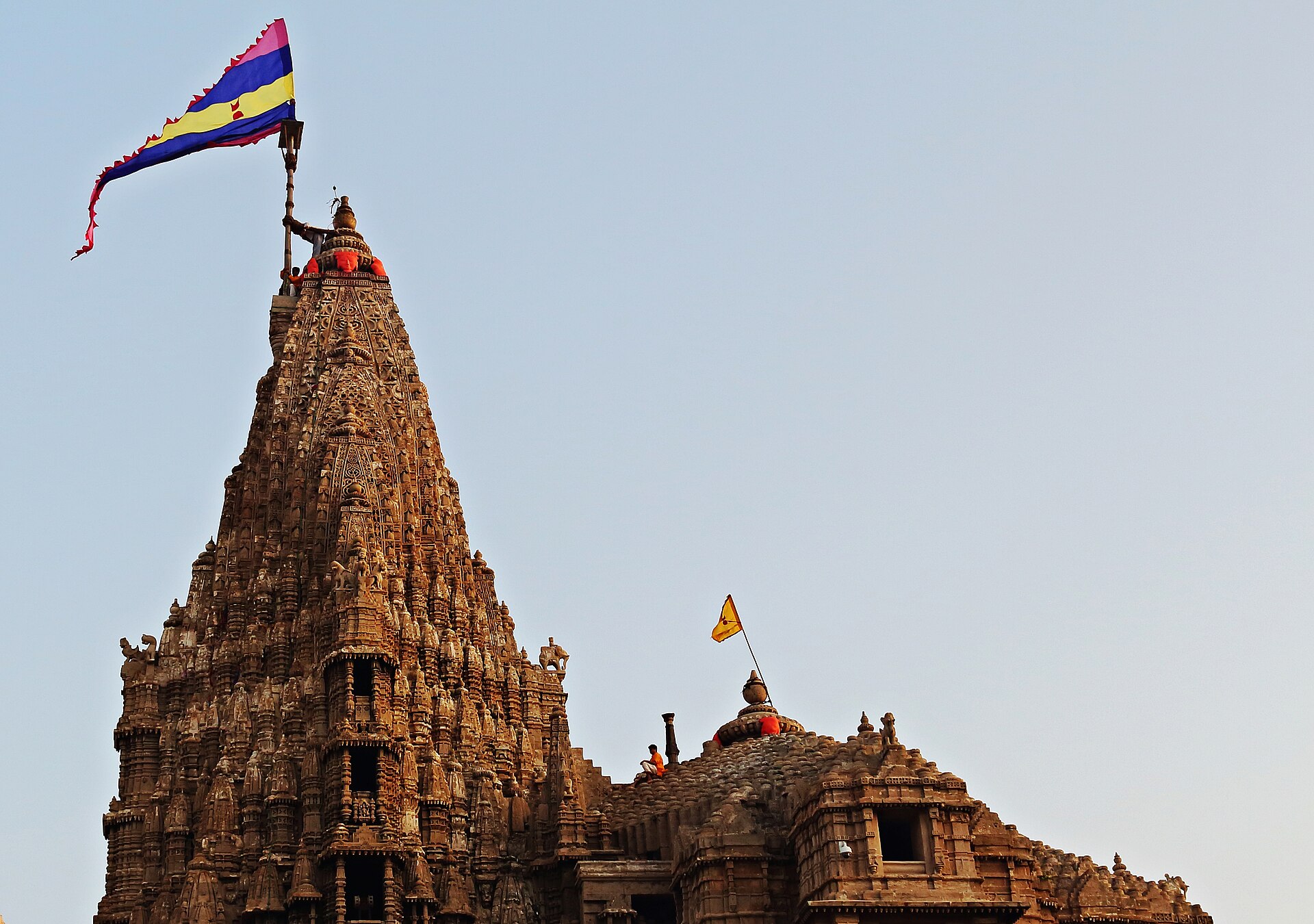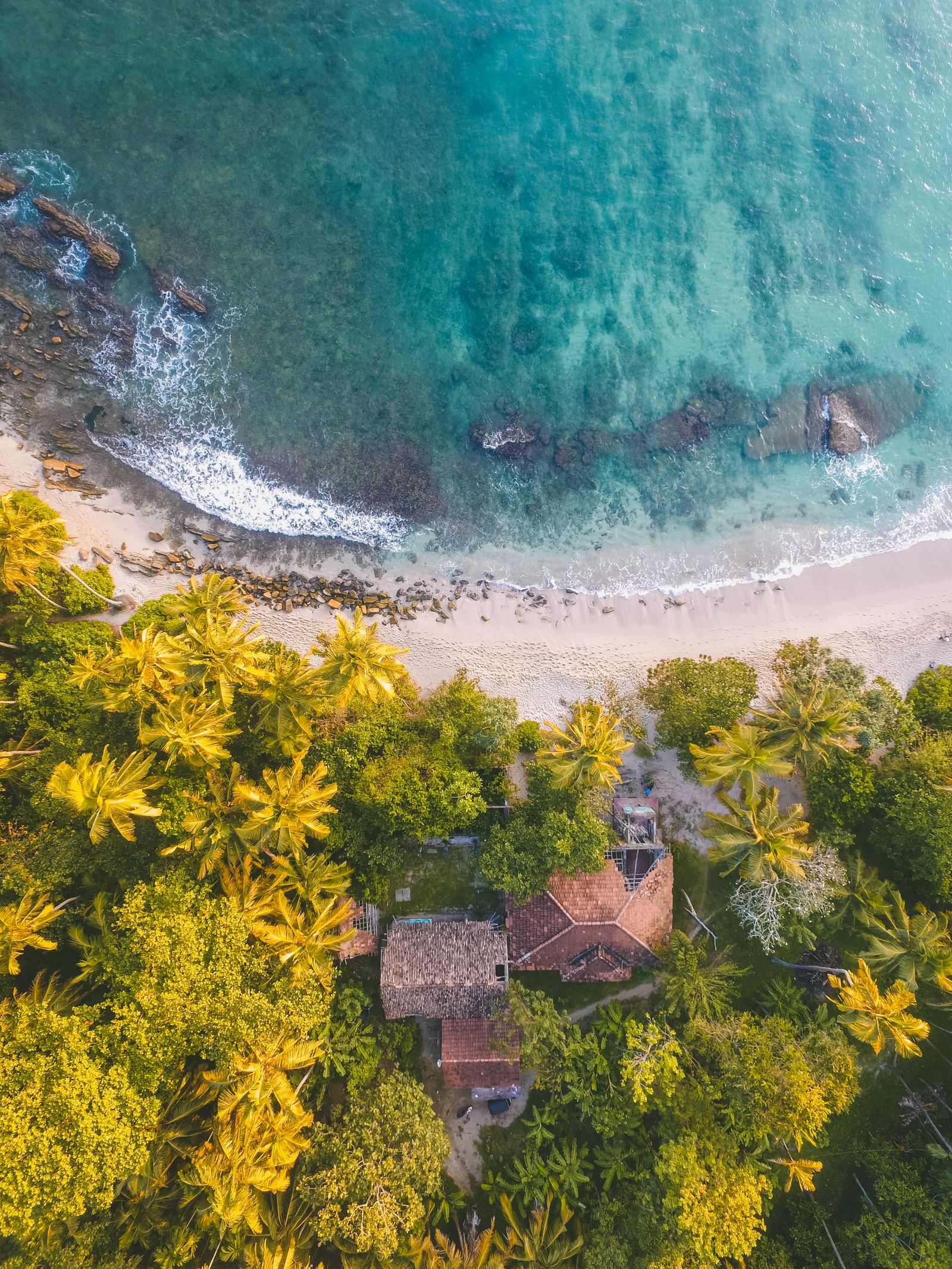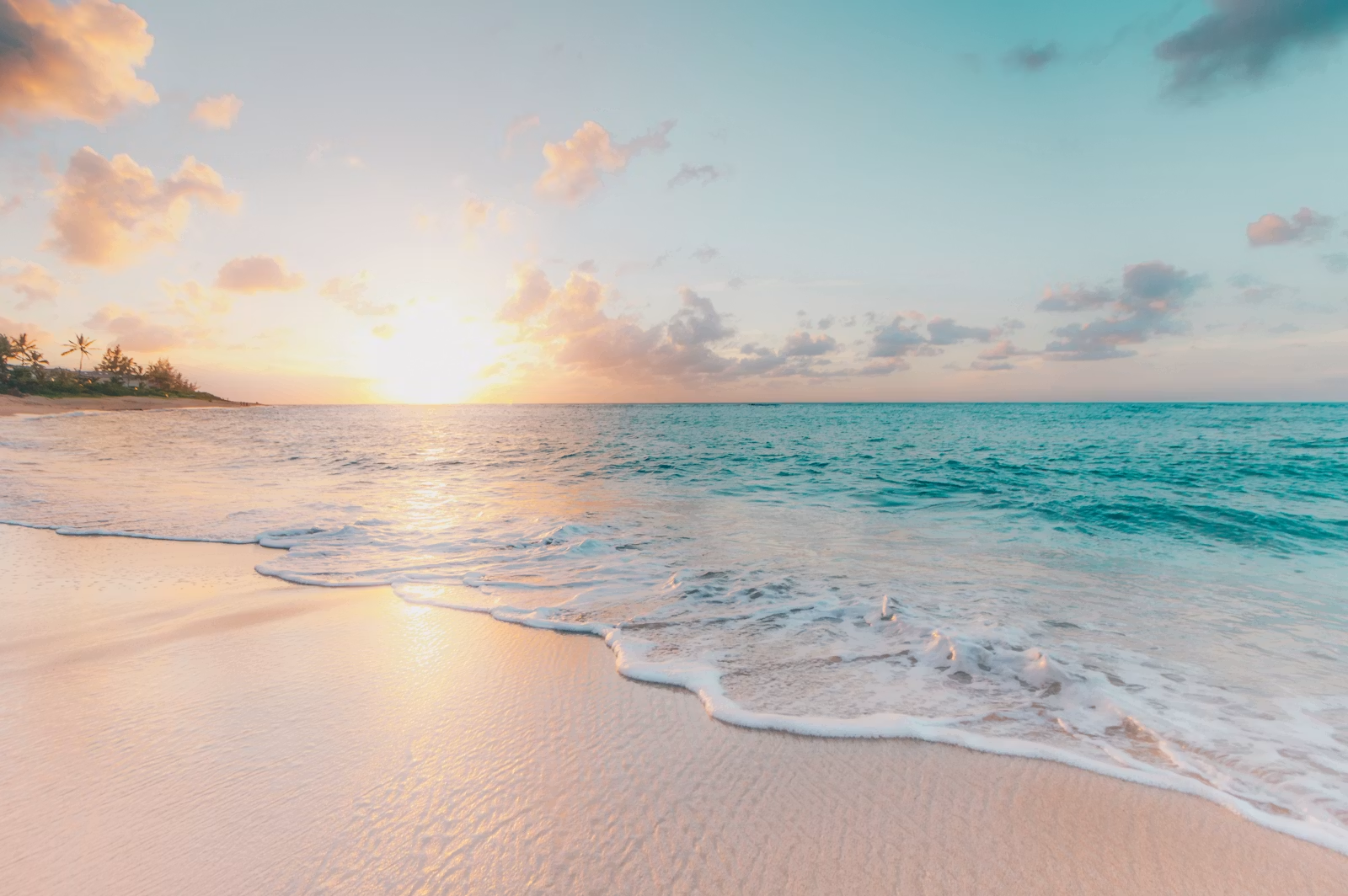
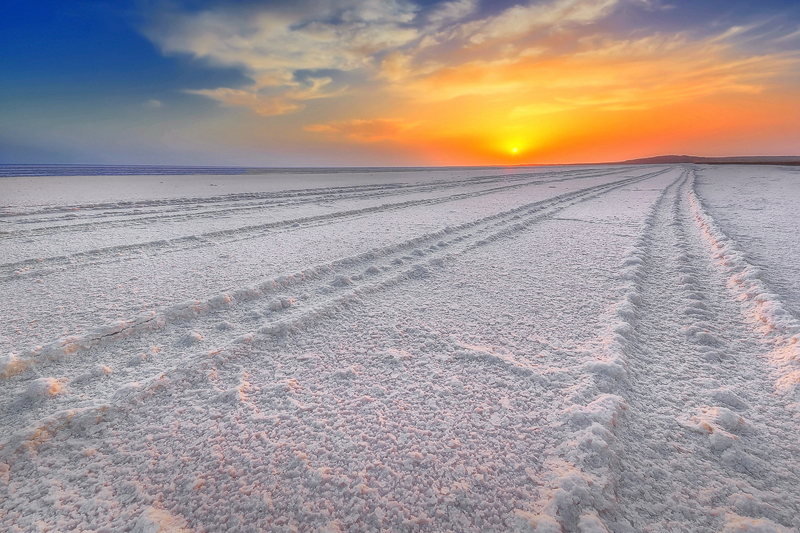
Bhuj Tourism Guide
Palaces, crafts and the cultural heart of Kutch
About Bhuj
Bhuj is the best base for exploring Kutch, combining royal architecture, museums, markets and nearby craft villages with road access to the White Rann and Mandvi. Bhuj rewards travellers who look beyond a checklist: mornings reveal a gentler pace, busy local streets add colour through the day, and evenings bring softer light to the landscape. Set in Kutch, Gujarat, the destination expresses its “palaces, crafts and the cultural heart of kutch” character through architecture, everyday neighbourhoods, regional flavours and journeys between its best-known sights. First-time visitors can build an easy introduction around Aina Mahal, Prag Mahal, Kutch Museum, while returning travellers will find quieter corners and local routines worth slowing down for.
The pleasure of a Bhuj trip lies in contrast. Landmark visits can be balanced with market walks, unhurried meals, viewpoints and conversations with people whose work keeps local traditions visible. Bhujodi and Smritivan add variety to the main sightseeing route, and the drive between stops often reveals as much about the region as the attractions themselves. A private car is especially useful for families, senior travellers and small groups because it keeps luggage secure, reduces changes of transport and leaves room to pause for photographs, refreshments or an unexpected roadside view.
Plan for at least one full day, and stay longer if you prefer a relaxed rhythm or want to include nearby excursions. October to February generally offers the easiest conditions, although every season changes the mood of Bhuj. Start early for popular landmarks, keep the middle of the day flexible, and reserve late afternoon for the place with the best open view. With thoughtful timing, respectful travel and a route matched to your interests, Bhuj becomes more than a stopover: it is a layered journey through the history, food and living culture of Gujarat.
Bhuj photo gallery
History & significance of Bhuj
Founded by Rao Hamirji in 1510 and developed by the Jadeja rulers, Bhuj served as Kutch’s capital. The devastating 2001 earthquake reshaped the city, yet major monuments and craft networks have been carefully revived. These events did not remain confined to monuments or dates; they influenced the street plan, sacred places, trading habits and community identities visible in Bhuj today. Successive generations adapted older buildings and customs to changing political and economic conditions, leaving a destination where different periods can often be read within the same neighbourhood. Local crafts, oral traditions and religious observances provide another historical record, preserving knowledge that formal museums alone cannot fully explain.
Modern travel through Bhuj is therefore best approached as a conversation between heritage and daily life. Conservation has brought renewed attention to important structures, while growth across Gujarat has changed transport, commerce and the edges of the city or landscape. Visitors who combine the principal monuments with markets, residential areas and regional museums gain a clearer understanding of Bhuj’s place within Kutch. Taking time to read site information, hiring an authorised local guide where appropriate and treating active places of worship with care turns the historical background into a richer, more connected experience.
Book a taxi or tour to Bhuj
Deepali Taxi Service in Varvala, Devbhumi Dwarka offers private cabs, Innova & Tempo Traveller hire, and customised tour packages for Bhuj and nearby destinations.
Major tourist attractions in Bhuj
Aina Mahal
An 18th-century palace whose mirrored interiors blend Kutchi craftsmanship and European influence. Allow time to notice the setting and details that make Aina Mahal a memorable part of Bhuj sightseeing.
Prag Mahal
A striking Italian Gothic palace with a tall clock tower and grand durbar hall. Allow time to notice the setting and details that make Prag Mahal a memorable part of Bhuj sightseeing.
Kutch Museum
Gujarat’s oldest museum, rich in inscriptions, textiles, instruments and community history. Allow time to notice the setting and details that make Kutch Museum a memorable part of Bhuj sightseeing.
Bhujodi
A renowned weaving village where visitors can meet artisans and buy directly. Allow time to notice the setting and details that make Bhujodi a memorable part of Bhuj sightseeing.
Smritivan
An earthquake memorial and museum on Bhujiyo Hill with city panoramas. Allow time to notice the setting and details that make Smritivan a memorable part of Bhuj sightseeing.
Best places to visit in Bhuj
- BhujodiA renowned weaving village where visitors can meet artisans and buy directly. Allow time to notice the setting and details that make Bhujodi a memorable part of Bhuj sightseeing.
- SmritivanAn earthquake memorial and museum on Bhujiyo Hill with city panoramas. Allow time to notice the setting and details that make Smritivan a memorable part of Bhuj sightseeing.
- Aina MahalAn 18th-century palace whose mirrored interiors blend Kutchi craftsmanship and European influence. Allow time to notice the setting and details that make Aina Mahal a memorable part of Bhuj sightseeing.
- Prag MahalA striking Italian Gothic palace with a tall clock tower and grand durbar hall. Allow time to notice the setting and details that make Prag Mahal a memorable part of Bhuj sightseeing.
- Kutch MuseumGujarat’s oldest museum, rich in inscriptions, textiles, instruments and community history. Allow time to notice the setting and details that make Kutch Museum a memorable part of Bhuj sightseeing.
Best time to visit Bhuj
The most rewarding time to visit Bhuj is October to February, when sightseeing and road travel are generally comfortable.
| Season | Weather | Travel note |
|---|---|---|
| Winter (Oct–Mar) | Dry and pleasant, with cool 10–29°C nights and days | Best for full-day sightseeing and road trips. |
| Summer (Apr–Jun) | Very hot, frequently above 40°C | Plan early starts, indoor breaks and evening visits. |
| Monsoon (Jul–Sep) | Warm with variable rain and humidity | Carry rain protection and allow extra driving time. |
How to reach Bhuj
By air
Bhuj Airport has regular connections, commonly via Mumbai or Ahmedabad.
By rail
Bhuj railway station connects with Ahmedabad, Mumbai and other western cities.
By road
Highways link Bhuj with Ahmedabad, Rajkot, Mandvi and border-region attractions.
Private taxi with Deepali Taxi Service
Hire a taxi for craft villages and Rann trips because distances are large and stops are dispersed.
Nearby attractions & destinations
Local food & cultural highlights
Local food in Bhuj
Try Kutchi dabeli, pakwan, bajra rotla, ringna no olo, kadhi-khichdi and mawa sweets. Food in Bhuj is best explored across more than one meal, beginning with a trusted breakfast shop and ending with an unhurried regional dinner. Recipes reflect the climate, seasonal produce and trading links of Gujarat, while spice levels and accompaniments vary from kitchen to kitchen. Ask what is freshly prepared, choose busy stalls with good hygiene, and sample smaller portions when building a food walk. Vegetarian choices are usually easy to find, and established restaurants can explain ingredients for guests with allergies or dietary restrictions. A driver can also suggest practical meal stops without losing sightseeing time.
Culture & traditions
Bhuj is a hub for Ajrakh printing, bandhani, weaving, embroidery, leatherwork and the many community traditions of Kutch. Festivals bring these influences into public view through music, decoration, processions, shared meals and worship, but culture is equally present in ordinary workshops, markets and family-run businesses. Visitors can support living traditions by buying directly from credible makers, asking before photographing people and learning the meaning of objects rather than treating them as souvenirs alone. Dress and behaviour should remain respectful at religious sites. Spending an evening at a local performance, heritage walk or community venue offers a more personal understanding of Bhuj and the wider identity of Gujarat.
Suggested Bhuj itineraries
Royal Bhuj
- Aina Mahal
- Prag Mahal
- Kutch Museum
- Hamirsar Lake
Craft villages
- Bhujodi
- Ajrakhpur
- Local artisan studios
- Smritivan sunset
Rann excursion
- Bhirandiyara
- Dhordo
- White Rann sunset
Travel tips for Bhuj
- Buy crafts directly from reputable artisan workshops.
- Check museum closing days.
- Carry identification when driving toward restricted border areas.
- Start popular Bhuj sights early to find cooler conditions, easier parking and more time for unplanned stops.
- For travel during October to February, reserve accommodation and a suitable taxi in advance, especially around weekends and festivals.
Book a taxi or tour to Bhuj
Deepali Taxi Service in Varvala, Devbhumi Dwarka offers private cabs, Innova & Tempo Traveller hire, and customised tour packages for Bhuj and nearby destinations.
Frequently asked questions about Bhuj
Is Bhuj or Dhordo a better base?
Bhuj is better for transport, museums and varied day trips; Dhordo is better for immediate White Rann access.
How far is the White Rann from Bhuj?
Dhordo and the principal White Rann entry are roughly 80 km from Bhuj.
How many days should I plan for Bhuj?
3 days gives most visitors time for the leading attractions, local food and a relaxed evening. Add another day for nearby excursions or a slower family itinerary.
What is the best time to visit Bhuj?
October to February is generally the most comfortable period for sightseeing and road travel. Book earlier around festivals, public holidays and peak-season weekends.
Can I book a private taxi for Bhuj sightseeing?
Yes. A private taxi can be reserved for local sightseeing, station or airport pickup and outstation travel, with the route and pickup time agreed before departure.
Taxi services & popular routes
Travelling from Dwarka or across Gujarat? Deepali Taxi Service provides local sightseeing cabs, outstation taxi, airport transfers, and Tempo Traveller hire for Bhuj trips.